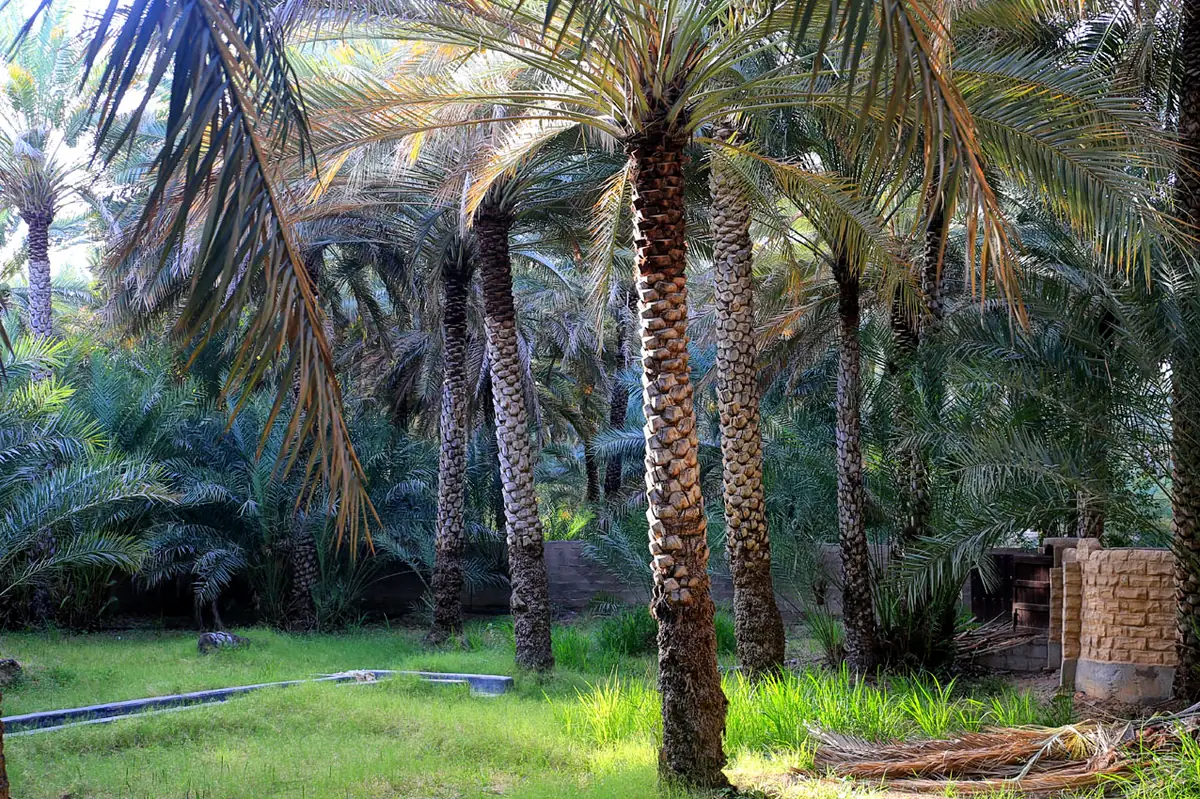

The book of Psalms has a front door, and Psalm 1 is it. Before the laments and the shouts of praise, before David flees from Saul or Israel weeps by the rivers of Babylon, we meet a single person standing beside a single tree. John Calvin called the Psalter “an anatomy of all the parts of the soul.” If that is true, Psalm 1 is where the anatomy lesson begins. It shows us what a healthy soul looks like.
How happy
The psalm opens with an exclamation: “Blessed is the man…” (1:1, ESV).
Then the psalmist describes this happy person first by what he does not do. He “walks not in the counsel of the wicked, nor stands in the way of sinners, nor sits in the seat of scoffers” (1:1, ESV). Notice how the verbs slow down: walking, then standing, then sitting. Sin rarely knocks us down all at once. It invites us to slow our pace, linger, and finally make ourselves comfortable.
Murmuring the Word
Over against all that, the blessed one’s “delight is in the law of the LORD, and on his law he meditates day and night” (1:2, ESV). Torah here means more than a list of rules. It is God’s instruction, the whole shape of his teaching that guides life.
That changes how we picture devotional life. The man of Psalm 1 isn’t straining for a mystical experience. He is reading out loud, slowly, the way a child sounds out a sentence, and coming back to it again at night. God gave the same instruction to Joshua as he stood at the edge of the promised land (Joshua 1:8).
A transplanted tree
Then comes the image that gives this blog its name:
He is like a tree planted by streams of water that yields its fruit in its season, and its leaf does not wither.
Two details are easy to miss. First, the word for planted (šātûl) often carries the sense of transplanted. It describes a tree someone has deliberately set in good soil (compare Psalm 92:13; Jeremiah 17:8). This tree did not happen to sprout in a lucky spot. A gardener chose it and put it there.
Second, the “streams” are palgê mayim, “channels of water.” They are irrigation canals, dug on purpose to bring water to an orchard. In a dry land, a tree beside such a channel stays green through the hot season, when everything around it turns brown.
So the picture is not self-made spiritual strength. It is grace. The blessed person is put beside the water by Someone else, and fed by a supply he did not dig. That should sound familiar. The first time the Bible mentions God planting something, it is a garden in Eden, watered by a river (Genesis 2:8–10). Psalm 1 imagines a person who is a little piece of Eden, rooted and green and fruitful.
The wicked, by contrast, are “like chaff that the wind drives away” (1:4, ESV). Chaff has no roots. It has nothing to hold it down and nothing to feed it. It is light, dry, and gone with the first breeze.
The one who truly delighted
Here we have to be honest. Who actually fits the description of Psalm 1? Who has never once walked in wicked counsel or lingered in the way of sinners? Read on into Psalm 2 and you meet a King, God’s anointed Son, set on Zion’s hill. The two psalms belong together. The happy man of Psalm 1 is the faithful King of Psalm 2.
Jesus is that man. He is the faithful Son who lived on every word that comes from the mouth of God (Matthew 4:4). He delighted to do his Father’s will, and in his season he bore the fruit of our salvation. He was hung on a tree under the curse we deserved (Galatians 3:13), so that we might be grafted into him. As the true vine, he now says to us, “Abide in me, and I in you” (John 15:4, ESV). The Spirit is the living water that keeps our leaves green (John 7:38–39).
Tending the roots at home
Psalm 1 is wonderfully practical for households. A few ideas:
- Read it aloud together for a week, the same psalm every day. By Friday the children will be murmuring it with you, which is exactly the point.
- Notice the verbs. Ask, “Where are we tempted to walk, stand, or sit with the wrong crowd?”
- Draw the two pictures, a green tree by a channel and a pile of chaff blowing away, and talk about which one Jesus makes us.
- Pray it back to God: “Lord, plant us by your streams. Make us fruitful in our season.”
You don’t have to make yourself grow. The Gardener is faithful. Your part is to stay near the water.